
Can You Hang from a Bar for 60 Seconds? What Grip Strength Says About Construction Workers' Long-Term Health
Mel Robbins and Dr. Brennan Spiegel say grip strength is one of the best predictors of how long you'll live. For construction workers who use their hands every single day, that's a message worth paying attention to.
Can You Hang from a Bar for 60 Seconds? What Grip Strength Says About Construction Workers' Long-Term Health
Mel Robbins recently posted a challenge on LinkedIn that stopped a lot of people mid-scroll: Can you hang from a bar for one full minute?
She admitted she almost couldn't do it herself. And the reason it matters, according to Dr. Brennan Spiegel, MD — a leading gastroenterologist and medical researcher who joined her on The Mel Robbins Podcast — is that grip strength is one of the most powerful predictors of how long you're likely to live.
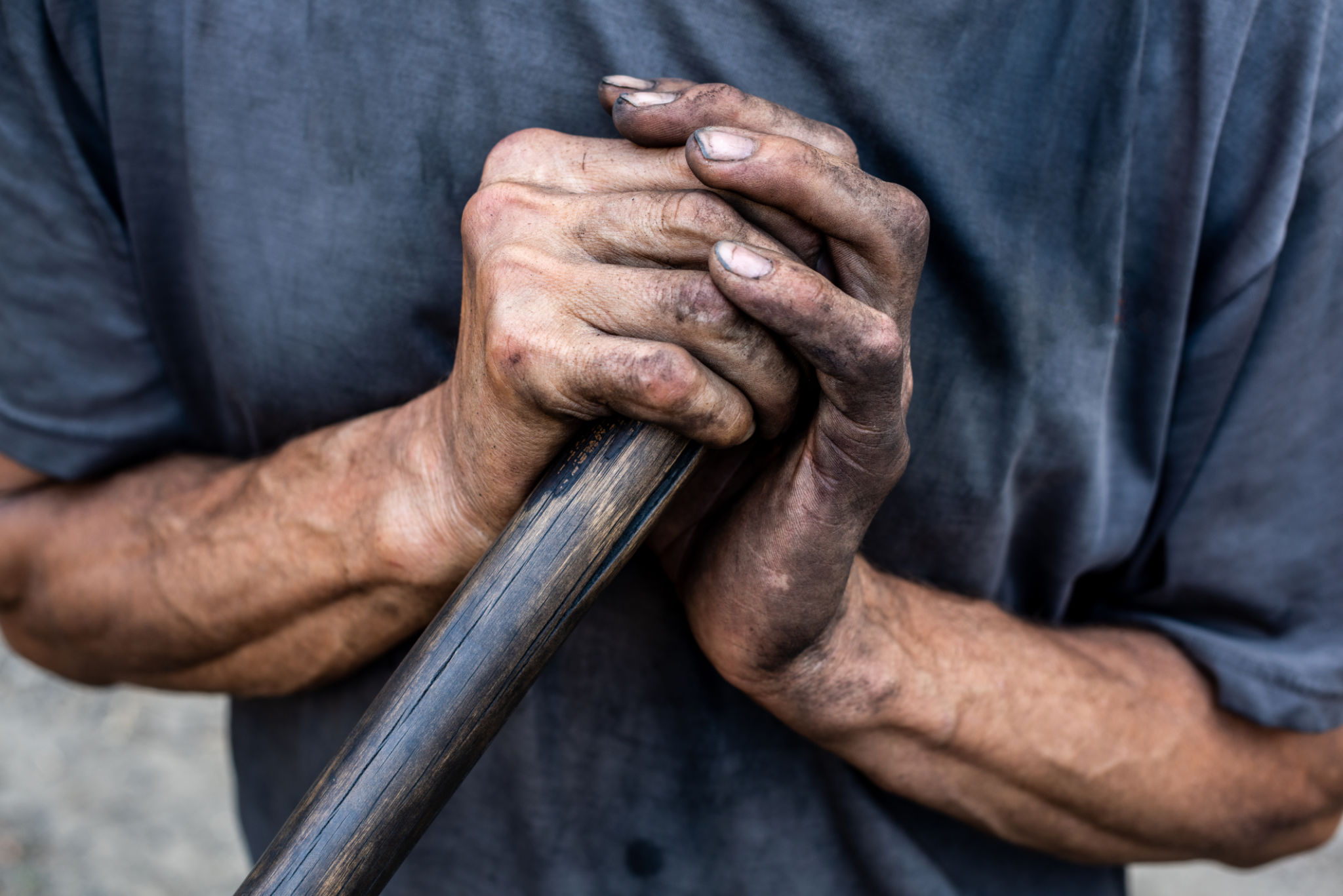
For most people reading that, it's a wake-up call to get off the couch. But for construction workers in Gainesville and across North Central Florida, the message lands a little differently — because you're already using your hands, your grip, and your physical strength every single day on the job.
So what does the science actually say? And what does it mean for the men and women who build things for a living?
What the Research Says About Grip Strength and Longevity
Dr. Spiegel's point isn't that hanging from a bar will make you live longer. It's that grip strength is a signal — a window into your overall physical condition that correlates with cardiovascular fitness, muscle mass, and your body's ability to handle stress and load over time.
Studies have consistently found that people with stronger grip strength have:
- Lower rates of cardiovascular disease
- Better outcomes after surgery and illness
- Lower all-cause mortality — meaning they're less likely to die from any cause, not just heart disease
- Better functional independence as they age
The logic is straightforward: when your body can hold itself up, resist gravity, and stay strong under load, your entire system functions better. Your heart, your lungs, your joints, your nervous system — they're all connected.
One commenter on Mel's post put it well: "Grip strength isn't just physical. It also tests patience, focus, and resilience."
Construction Workers Already Have an Advantage — But It's Not Automatic
Here's the thing about construction workers: the physical demands of the job naturally build the kind of functional strength that researchers associate with longevity. Carrying materials, swinging tools, climbing ladders, operating equipment — these aren't gym exercises, but they build real-world physical capacity in ways that sitting at a desk never will.
A commenter on Mel's post made a point worth repeating: "The correlation between grip strength and longevity is that those who do things that increase grip strength tend to have a lifestyle that contributes to longevity." In other words, it's not the grip strength itself that keeps you alive longer — it's the active, physical lifestyle that produces it.
Construction workers live that lifestyle by default. That's a genuine health advantage.
But there's a flip side.
The same physical demands that build strength also create wear and tear — on joints, on the back, on the knees, on the hands themselves. Construction is consistently ranked among the most physically demanding and injury-prone industries in the country. And the Florida heat adds another layer of stress on the body that most office workers never have to think about.
So the question isn't just "do you have grip strength?" — it's "are you taking care of the body that produces it?"
What This Means for Your Long-Term Health on the Jobsite
The research on grip strength points to a few practical things that matter for construction workers specifically:
1. Physical strength is a long-term asset — protect it
Your ability to do physical work is your livelihood. The same strength that makes you valuable on a jobsite today is what will keep you healthy and independent in your 60s and 70s. That means treating your body like the asset it is — not just pushing through pain, but actually recovering, staying hydrated, and not ignoring injuries.
2. Grip strength declines with age — but it doesn't have to decline fast
Research shows grip strength peaks in your 30s and 40s and declines after that. But the rate of decline is heavily influenced by how active you stay and how well you maintain your overall health. Construction workers who stay in the trade into their 50s and 60s often maintain significantly better grip strength and physical function than their sedentary peers.
3. The Florida heat is a real factor
Working in Gainesville's summer heat puts enormous stress on the cardiovascular system — the same system that grip strength research links to longevity. Staying hydrated, recognizing heat exhaustion early, and not pushing through heat-related symptoms isn't just about getting through the day. It's about protecting the long-term health of your heart and body.
4. The 60-second bar test is worth trying
Mel's challenge is simple: find a pull-up bar, hang from it, and see how long you can hold on. If you can hit 60 seconds, that's a strong signal your grip and upper body strength are in good shape. If you can't — that's useful information too, and it's something you can work on.
The Bigger Picture: Blue-Collar Work and Long-Term Health
There's a narrative in American culture that physical labor wears you down and shortens your life. And it's true that construction carries real risks — injuries, exposure to hazardous materials, and the cumulative toll of hard physical work.
But the research on grip strength and longevity tells a more nuanced story. The physical demands of construction work, when managed well, build exactly the kind of functional strength that researchers associate with longer, healthier lives. The men and women who build Florida's universities, hospitals, schools, and commercial buildings aren't just doing hard work — they're building bodies that are, in many ways, better equipped for the long haul than people who never lift anything heavier than a laptop.
The key is managing the risks, protecting the body, and not treating physical toughness as an excuse to ignore warning signs.
All Florida Personnel: Supporting the Workers Who Build Gainesville
At All Florida Personnel, we've been placing construction workers on commercial jobsites across Gainesville and Alachua County since 2013. We see firsthand the physical demands that construction workers handle every day — and we have a lot of respect for the people who do this work.
If you're looking for construction work in the Gainesville area, visit our Seeking Employment page or apply online to get started.
Inspired by Mel Robbins' LinkedIn post featuring Dr. Brennan Spiegel, MD, MSHS. Listen to the full episode — "The Hidden Reason You Feel Exhausted & How to Feel Better Now" — on the Mel Robbins Podcast, available on Apple Podcasts, Spotify, and YouTube.
Explore Topics
Written by
All Florida Personnel
Content creator and writer sharing insights and stories.


